

Understanding Stress and Anxiety
What Are Stress and Anxiety?
Stress and anxiety are common psychological responses that everyone experiences at some point in their life. Stress is typically a reaction to external pressures or demands, triggering a biological response referred to as the “fight or flight” mechanism. This response can be both psychological and physical, manifesting in various ways that affect our daily lives. Conversely, anxiety is more of a persistent state of worry or fear that may not always have an identifiable trigger but often coexists with stress.
Both stress and anxiety can range from mild to severe, influencing how we think, feel, and behave. Recognizing the distinction and the interplay between these two responses is vital in developing effective coping strategies. Furthermore, learning about stress and anxiety fosters awareness and encourages individuals to seek appropriate help and employ effective management techniques.
Common Symptoms of Stress and Anxiety
The symptoms of stress and anxiety can vary significantly, affecting individuals differently. Common symptoms for stress include irritability, headaches, fatigue, and difficulty concentrating. People may also experience physical manifestations such as muscle tension, digestive issues, or weakened immune function.
Anxiety often encompasses more profound feelings of unease, worry, and dread, manifesting as panic attacks or intense fear about specific situations or events. It can lead to social withdrawal, changes in sleeping patterns, and even physical symptoms such as a racing heartbeat or shortness of breath. Understanding these symptoms is essential for recognizing when stress and anxiety become detrimental to one’s daily functioning.
Impact on Physical and Mental Health
The effects of prolonged stress and untreated anxiety can lead to a myriad of physical and mental health issues. Chronic stress impacts the body’s systems, contributing to cardiovascular problems, diabetes, obesity, and digestive disorders. It can also alter hormone levels, exacerbating mental health issues.
On the psychological side, ongoing anxiety can lead to severe conditions such as depression and generalized anxiety disorder. It can hinder one’s ability to form social connections and impact academic or job performance, leading to a compromise in overall quality of life. Recognizing the importance of addressing stress and anxiety is crucial for maintaining both physical and mental health.
Identifying Triggers of Stress and Anxiety
Common Triggers in Everyday Life
Identifying the specific triggers that intensify stress and anxiety in everyday life is crucial for effective management. Common triggers include significant life changes such as moving, job changes, or relationship problems. Moreover, daily pressures from work, financial woes, or academic deadlines can exacerbate feelings of stress.
Environmental factors, such as noise, crowds, or chaotic schedules, also play a significant role in amplifying anxiety levels. Understanding these triggers helps individuals develop personalized coping strategies, enabling them to mitigate the effects of stressors that arise in their daily routines.
Emotional and Psychological Factors
Stress and anxiety can be influenced by various emotional and psychological factors, including past traumas, unresolved conflicts, or persistent negative thought patterns. Cognitive distortions—such as catastrophizing or black-and-white thinking—can significantly contribute to anxiety levels, causing individuals to misinterpret or exaggerate potential threats or losses.
Furthermore, personality traits and coping styles play a role in how someone responds to stress. Individuals with a high level of neuroticism may experience heightened sensitivity to stressors, while those with robust resilience can better handle life’s challenges. Understanding these emotional and psychological factors is essential for tailored coping mechanisms.
Utilizing Journaling Techniques for Awareness
One effective method for identifying triggers and processing emotions is through journaling. Keeping a stress journal can help individuals recognize patterns related to their feelings of stress and anxiety. By documenting situations that lead to heightened anxiety, one can uncover common threads and potential triggers.
In addition to tracking triggers, journaling allows for reflection and self-discovery. Writing about emotions and experiences can facilitate catharsis, helping individuals articulate their fears and insecurities. This practice encourages a deeper understanding of oneself, ultimately aiding in proactive management of stress and anxiety.
Practical Techniques to Manage Stress and Anxiety
Breathing Exercises for Instant Relief
Breathing exercises are a powerful technique for managing acute stress and anxiety. Deep, controlled breaths can trigger the body’s relaxation response and halt the cycle of anxiety. One effective method is the 4-7-8 technique: inhaling for four counts, holding the breath for seven, and exhaling for eight. This practice helps lower heart rates and calms the nervous system.
Incorporating these techniques into daily routines can empower individuals to regain control during stressful moments. Regular practice can enhance one’s ability to maintain composure amidst chaos, ultimately reducing the incidence of anxiety and stress responses.
Mindfulness and Meditation Practices
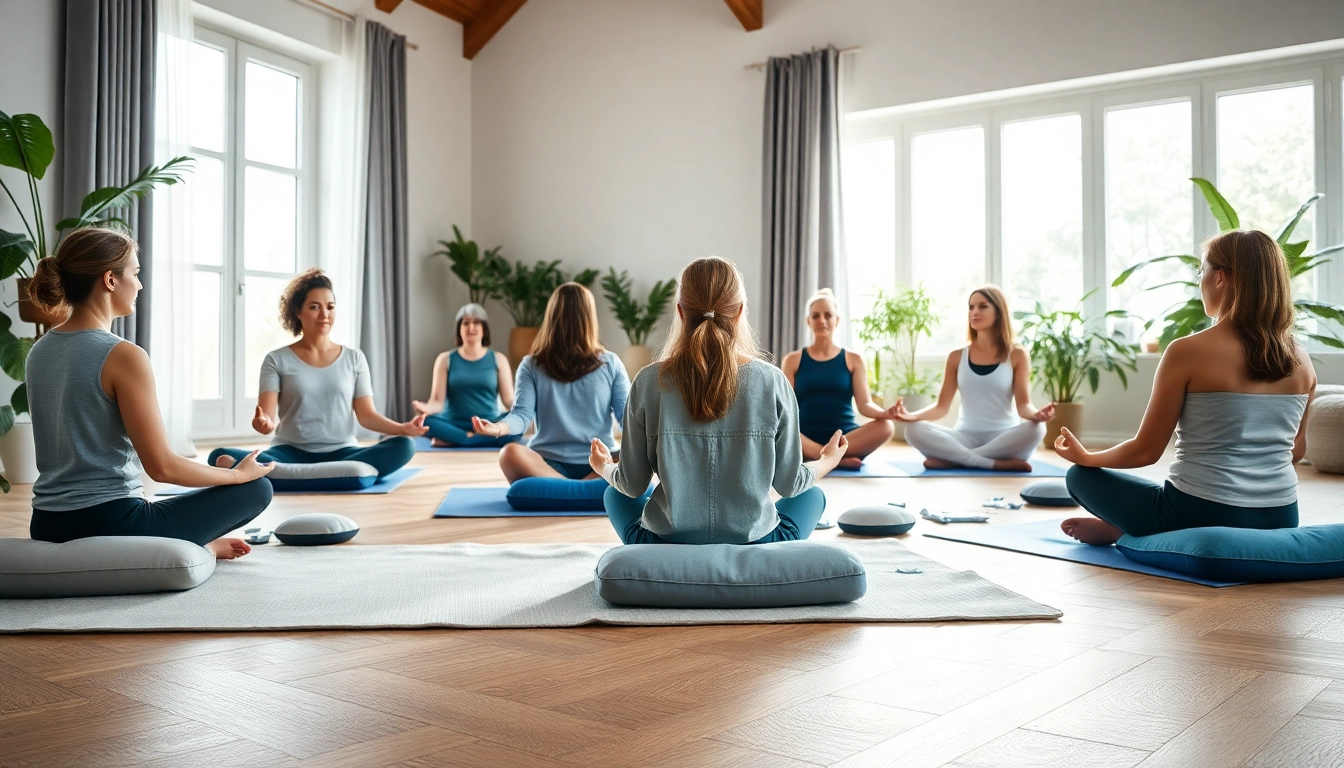
Mindfulness and meditation are techniques that foster a greater awareness of the present moment, which can help alleviate stress and reduce anxiety levels. Practicing mindfulness involves intentionally focusing on what is happening currently—acknowledging thoughts, emotions, and bodily sensations without judgment.
Meditation techniques, such as guided imagery or loving-kindness meditation, provide a structured approach that enhances emotional regulation and resilience. Regular mindfulness practice contributes to neuroplasticity, the brain’s ability to adapt and change, equipping individuals with the tools to respond to stressors more effectively.
Physical Activities to Reduce Tension
Physical activity is a well-documented method for combating stress and anxiety. Exercise releases endorphins, the body’s natural stress relievers. Individuals engaging in activities such as running, cycling, or yoga report increased feelings of well-being and reduced levels of stress.
Incorporating regular physical activity into daily life allows individuals to channel their energy positively, promoting physical health while simultaneously improving mental health. Establishing a routine that includes exercise can lead to sustainable reductions in stress and anxiety levels, contributing to overall well-being.
Building a Supportive Environment
Creating a Calm Living Space
The environment we inhabit greatly influences our mental state. Creating a calm and peaceful living space can significantly impact stress levels. Simple changes such as decluttering, incorporating plants, and ensuring adequate natural light can enhance the ambiance of one’s surroundings.
Incorporating calming scents, like lavender or chamomile through essential oils or candles, can further promote relaxation. Establishing a dedicated space for relaxation or mindfulness practice encourages a sanctuary for mental reprieve amidst busy schedules.
Deepening Social Connections
Social support is essential for managing stress and anxiety. Building strong, healthy relationships can provide a buffer against life’s challenges. Engaging with friends and family, participating in community activities, or seeking support groups can foster a sense of belonging and understanding.
Opening up about feelings can alleviate burdens and create a support network that facilitates healthy coping. Prioritizing social connections plays a crucial role in enhancing emotional resilience and combating feelings of isolation during stressful times.
Seeking Professional Help When Necessary
Recognizing when to seek professional help is a vital part of managing stress and anxiety. If stress and anxiety lead to persistent negative feelings or significant life disruption, consulting a mental health professional may be necessary. Therapists and counselors can provide tailored strategies and therapeutic approaches to cultivate coping skills and resilience.
Understanding the signs that indicate a need for professional assistance is crucial for personal growth and well-being. Early intervention can lead to effective management strategies, helping individuals to reclaim their lives from the grips of stress and anxiety.
Ongoing Strategies for Long-term Well-being
Establishing Healthy Routines
Creating consistent daily routines fosters predictability and stability, which can be reassuring amid stress. Incorporating healthy habits such as regular sleep patterns, balanced nutrition, and scheduled breaks can effectively mitigate stress overload.
Additionally, establishing a morning routine that integrates self-care practices can set a positive tone for the day. Allocating time for activities that bring joy and fulfillment, whether reading, exercising, or enjoying hobbies, contributes to ongoing mental health benefits.
Setting Realistic Goals for Reducing Stress
Setting achievable and realistic goals is vital for effectively managing stress and anxiety. Rather than overwhelming oneself with broad objectives, breaking them down into smaller, manageable tasks helps maintain motivation and a sense of accomplishment.
Establishing timelines and benchmarks can help individuals track their progress and adjust their approaches as necessary, ensuring motivation and reducing feelings of being overwhelmed. This structured approach cultivates confidence and resilience in facing life’s challenges.
Tracking Progress and Staying Motivated
Monitoring progress in managing stress and anxiety is key to understanding what techniques and strategies work best. Keeping a journal or using apps can assist in tracking emotions, triggers, and coping strategies used over time.
Regular reflections on personal experiences foster awareness and reinforce persistence in managing stress. Celebrating small victories and maintaining accountability with friends or support groups can sustain motivation and encourage a continued commitment to holistic well-being.
FAQs
What are some quick tips for reducing stress and anxiety?
Quick tips include practicing deep breathing, taking breaks, and engaging in physical activity. Short mindfulness exercises can also be effective for instant stress relief.
How can I identify my anxiety triggers?
Keep a journal to track your feelings and thoughts during stressful situations, which can help identify patterns and specific triggers in behavior or environment.
Will exercise help with stress and anxiety?
Yes, regular physical activity releases endorphins, which are natural mood lifters. Exercise can significantly alleviate stress and anxiety levels over time.
When should I seek professional help for stress and anxiety?
If stress and anxiety begin to interfere with daily life or persist despite self-management techniques, seeking help from a therapist can provide targeted coping strategies.
What role does nutrition play in managing stress and anxiety?
A balanced diet rich in whole foods can influence mood and energy levels, helping to alleviate symptoms of stress and anxiety and enhance overall well-being.