
Understanding Auto Window Tint Near Me
What is Auto Window Tint?
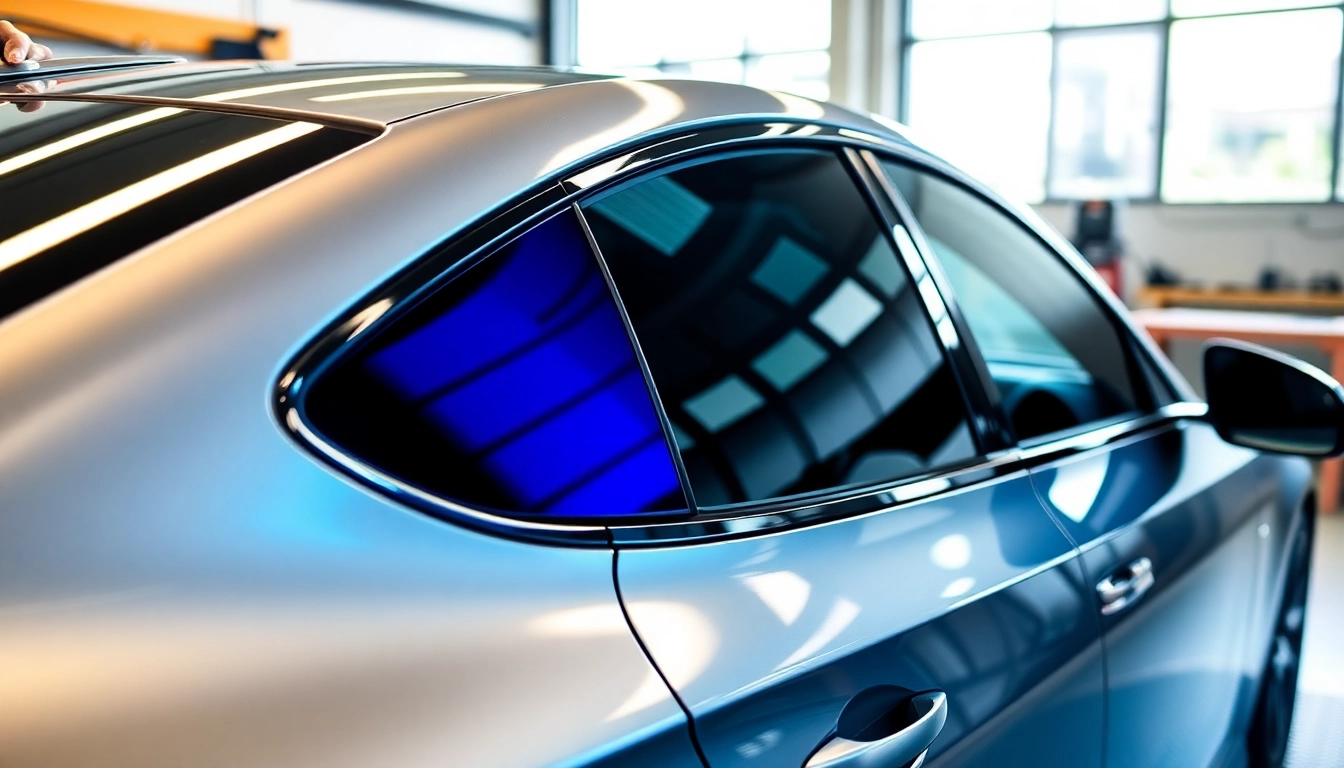
Auto window tint is a thin film or coating applied to the windows of vehicles, enhancing both aesthetics and functionality. This film is typically made from materials like polyester, and it comes in various shades and properties. When professionally installed, auto window tint can significantly improve your driving experience by reducing glare from the sun, blocking harmful UV rays, and providing additional privacy. For anyone looking to improve their car’s comfort and style, searching for auto window tint near me is a great first step.
Benefits of Window Tinting
The advantages of auto window tinting extend well beyond decorum. Here are some key benefits:
- UV Protection: Window tints can block up to 99% of harmful UV rays, protecting both passengers and the car’s interior from potential damage.
- Heat Reduction: A tinted window can significantly reduce solar heat, keeping your vehicle cooler and more comfortable.
- Increased Privacy: Tinted windows provide an added layer of security, limiting visibility into your vehicle.
- Glare Reduction: Tint can diminish glare from the sun and headlights of other vehicles, enhancing visibility and comfort while driving.
- Enhanced Appearance: Aesthetic value can be greatly enhanced, giving your vehicle a sleek and polished look.
Types of Window Tint Films
Several types of window tint films are available, each serving different needs and preferences:
- Dyed Film: This is the most common and economical option. It provides privacy and aesthetic appeal but offers minimal heat rejection.
- Metalized Film: Contains metallic particles that provide better heat and UV protection, enhancing durability and glare reduction.
- Carbon Film: This type offers superior UV protection and heat rejection without the reflective quality, maintaining a sleek appearance.
- Ceramic Film: Made with advanced technology that helps block heat and UV rays, ceramic film is known for its clarity and durability.
- Hybrid Film: Combines the benefits of dyed and metalized films, providing a balance between aesthetics and performance.
Choosing the Right Tint Level
Legal Restrictions on Tinting
Before opting for window tinting, it’s crucial to understand the legal restrictions in your area. Many states and regions have specific laws regarding how dark (visible light transmission) your window tint can be. Researching your local regulations will help prevent fines and ensure compliance.
Recommended Tint Levels for Different Needs
The recommended tint level can vary based on individual needs:
- Light Tint (50% VLT): Ideal for modest UV protection and minimal privacy.
- Medium Tint (35% VLT): Balances UV protection and privacy, offering a comfortable driving experience.
- Dark Tint (20% VLT): Provides maximum privacy and UV protection, but may have legal implications if too dark.
Darkness vs. Reflection Levels
When selecting window tint, consider both the darkness and reflective levels. Darkness is measured in Visible Light Transmission (VLT), while reflection levels determine how much light is bounced away. The right combination can enhance comfort while maintaining legal compliance.
Finding Auto Window Tint Services Near You
Key Factors to Consider When Choosing a Service
When searching for auto window tint services, keep these key factors in mind:
- Experience: Services with a proven track record and positive client feedback are generally safer choices.
- Quality of Materials: Ensure the tint films used are high-quality and reputable.
- Warranty: Look for services that offer warranties on both labor and materials.
- Certifications: Check for trained technicians and industry certifications, ensuring expertise.
Cost Factors for Window Tinting
The cost of window tinting can vary widely based on several elements:
- Type of Film: Premium films typically cost more but come with better performance and longevity.
- Size of Vehicle: Larger vehicles generally incur higher costs due to increased labor and material needs.
- Complexity of Installation: If your car has specialized windows or features, this might increase the labor costs.
Finding Reviews and Recommendations
Online reviews and word-of-mouth recommendations are invaluable when searching for window tint services. Look for platforms that provide reviews or ask for recommendations from friends. Genuine customer feedback often reflects the quality of service and results.
Maintaining Your Window Tint
Immediate Care After Tinting
After the tint is installed, immediate care is essential to ensure longevity. Avoid rolling down windows for at least 48 hours, allowing the adhesive to cure fully. Keep the interior clean with soft cloths and avoid using ammonia-based cleaners, which can damage the film.
Long-term Maintenance Tips
To keep your window tint looking fresh:
- Regular Cleaning: Use a microfiber cloth with a gentle cleaner to maintain clarity.
- Avoid High Temperatures: Try not to leave your vehicle in direct sunlight for long periods, as extreme heat can cause damage.
Signs of Tint Damage and Replacement
Monitor your window tint regularly. Signs of damage include bubbling, peeling, discoloration, or scratched surfaces. If you notice these signs, it’s advisable to seek professional help for assessment and potential replacement.
Frequently Asked Questions About Auto Window Tint Near Me
How long does window tint last?
Window tint can last anywhere from five to fifteen years, depending on the quality of the film and installation methods. Regular maintenance can extend its lifespan.
Is window tinting worth the investment?
Yes, window tinting is often considered a good investment due to its numerous benefits, including heat reduction, UV protection, and increased privacy.
Can I legally tint my car windows?
Legal limits for window tint vary by state or region. Research local laws to ensure your tint complies with regulations to avoid fines.
How is window tint applied?
Window tint installation involves cleaning the glass, measuring and cutting the film to size, and applying it with water and solutions for adhesion, followed by smoothing out any air bubbles.
What are the common types of window tint?
The common types of window tint include dyed, metalized, carbon, ceramic, and hybrid films, each offering different levels of performance and aesthetics.